

73% of overseas visits are lost due to language mismatch. A true multilingual website isn't about translating pages—it's about rethinking the underlying logic of search intent and user experience. From technical debt to commercial returns, we break down five actionable strategies.

When emotions become code parameters, collaboration no longer relies on meeting alignment. Shanghai Atmosphere Programming is redefining how creative digital projects are developed, using contextual intelligence to shorten delivery cycles and turning team rhythms into calculable productivity.
Platform traffic is getting increasingly expensive, yet retaining users is becoming ever more challenging. By dissecting real-world cases from numerous overseas brands, we’ve discovered that true success doesn’t lie in splurging on ad spending, but rather in establishing an evolutionary growth system through GEO independent site strategies.
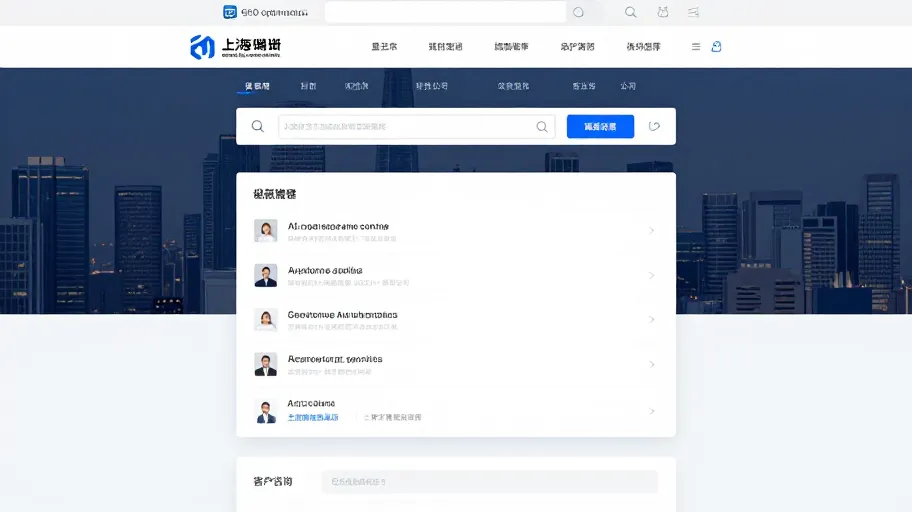
GEO optimization is not a project every company must immediately undertake. The core criterion for deciding whether to proceed is this: Are your target customers increasingly relying on AI-powered Q&A, conversational search, and generative results to obtain information, while your brand content remains absent from these answers? If there are clear signs of such absence, and your existing SEO framework is already relatively stable, then GEO optimization deserves scheduling. Conversely, if your core customers still primarily depend on trade shows, referrals from long-time clients, and offline channels, GEO should be prioritized after completing a multilingual website and refining your overall content strategy.

Now, building an independent website for free is no longer just a gimmick. With a genuine SaaS website building system, small and medium-sized enterprises can launch a professional-grade global site within 24 hours, saving over 90% of initial investment. This isn’t the future—it’s something you can achieve today.

70% of project delays stem from unclear requirements. Precise scope definition and a practical acceptance checklist are the keys to on-time launches. This article breaks down real-life cases from Shanghai projects, showing you how to transform chaos into efficiency.

When launching a B2B website development project in Shanghai, the most common sources of project mismanagement are not technical issues, but rather unclear requirements, undefined scope, and lack of standardized acceptance criteria. This article provides a step-by-step approach to clearly define requirements, delineate the scope of implementation, and establish an acceptance checklist—ensuring that both procurement teams and project managers can finalize project boundaries before signing any contracts.

Traditional CRM is dragging down the golden period of sales. Meanwhile, AI-powered intelligent customer relationship management software is boosting conversion rates by over 40% through real-time prediction and automation. Here’s the real-world roadmap for enterprises to implement it.

80% of Shanghai-based foreign trade companies’ official websites fail to reach overseas customers. The problem isn’t the products—it’s the language strategy. Translation is not communication. We’ve dissected real-world data from 57 companies to reveal the true breakthrough points.
73% of projects fail due to requirement mismatch. We dissected the core pain points of Shanghai enterprise website development and provided answers through verifiable technical solutions. This isn’t another theoretical article—it’s a practical roadmap from code to conversion rate.
Building a free independent website isn’t just about saving money—it’s a strategic starting point for creating an AI-driven customer acquisition closed loop. By combining GEO optimization with an AI CRM system, businesses can achieve end-to-end automation from traffic acquisition to customer conversion, reducing customer acquisition costs by over 70%.

